A little leak when you sneeze is more common than most women admit. It’s also very treatable.
You’ve probably found your own workarounds. Maybe you skip trampolines. Maybe you always sit near the aisle, keep a spare pad in your bag, or quietly stop laughing too hard. Plenty of women live like this for years before they mention it, even to their own doctor. It’s awkward, so it stays private.
It doesn’t have to. If you’re looking for urinary incontinence treatment in Calicut, the first thing to know is that leaking urine isn’t a fixed part of getting older or having babies. Most women who get checked find something that helps, and often that isn’t surgery. This article walks through the common types, what tends to cause them, what usually works, and when it’s time to book a visit.
Which Kind of Leaking Is It?
Doctors usually sort it into three groups, and it helps to know which one sounds like you.
Stress leaking happens when pressure builds in your belly. You cough, sneeze, laugh, lift something, or jump, and a little urine escapes. This is the most common type in women.
Urge leaking means a sudden, strong need to go that’s hard to hold back. Sometimes you don’t make it in time. It’s often linked to an overactive bladder, and the warning can feel like it comes out of nowhere.
Mixed leaking is a bit of both, and it’s more common than people expect.
Be specific with your doctor about when it happens. “I leak when I jump on the bed” or “I leak when I hear running water” is genuinely useful information.
Why Does It Happen?
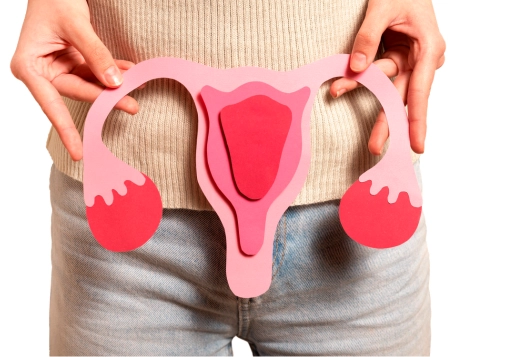
Your bladder and urethra rest on the pelvic floor, a sling of muscles and tissue at the base of your pelvis. When those muscles weaken or get strained, they can’t hold everything in place as well as they should.
A few things commonly contribute:
-
Pregnancy and childbirth. A vaginal delivery, especially a long labour or a large baby, can stretch those muscles. Some women only notice the leaking years later.
-
Menopause. Lower oestrogen can thin the tissues around the urethra and bladder, which makes leaking more likely.
-
Constipation. Straining day after day keeps adding pressure to the pelvic floor.
-
A long-term cough. Smoking, asthma, or bronchitis can keep strain on the same muscles.
-
Extra weight. More weight means more pressure on the bladder, especially when you’re on your feet all day.
-
Bladder irritants. Too much coffee, tea, alcohol, or fizzy drinks can make urgency worse.
For most women it’s a mix. Leaking that started after a hard delivery and got worse after menopause is very common, and it isn’t something you caused.
Urinary Incontinence Treatment in Calicut: What Actually Helps
Most women start with simple steps, and many notice a difference from those alone.
Pelvic floor exercises are usually the first thing doctors suggest for stress leaking. You may know them as Kegels. Research suggests that about two-thirds of women with urinary incontinence improve or are cured with pelvic floor training. The catch is that it’s easy to do them wrong. Plenty of women tighten their thighs or hold their breath without realising. A physiotherapist can check your technique in a session or two. The NHS notes that pelvic floor training works best when supervised and practised daily. NICE guidance suggests a supervised course lasting at least three months before moving on to other options.
Bladder training helps with urge symptoms. You gradually stretch the time between bathroom trips. Start with a gap you can manage, then build it as your confidence grows.
Small daily changes can add up. Losing some weight, treating constipation, easing back on caffeine and alcohol, and getting a stubborn cough checked can all help. None of these need to happen overnight.
Medication can calm an overactive bladder. For stress leaking, it’s usually a second-line option. Your doctor will talk through the side effects and whether it suits you.
Devices and procedures come in when simpler steps aren’t enough. A pessary is a soft supportive device placed in the vagina. Surgery such as a mid-urethral sling is used for stress leaking when exercises haven’t done enough. Your doctor will explain what each option involves, including recovery, so the decision is yours to make.
If you also feel heaviness or a bulge in your pelvis, our pelvic organ prolapse guide covers that. Leaking and prolapse often show up together, so it’s sensible to raise both at the same visit.
When to Come In
You don’t need to wait until it’s bad. Book a visit if:
-
You leak during everyday things like coughing, laughing, or exercising
-
You get sudden urges you can’t control, or you need to go very often, including at night
-
It’s getting in the way of work, sleep, exercise, or time with friends
-
You also notice a bulge or heaviness in the vagina, or pain during sex
-
You see blood in your urine, feel pain when you pass urine, or the leaking started suddenly
Blood in the urine, pain, or a sudden change shouldn’t wait for your next routine check.
What the First Visit Looks Like
Your doctor will ask about your symptoms, your bowel habits, past deliveries, medicines, and any surgery you’ve had. You may be asked to keep a bladder diary for a few days, noting what you drink, when you go, and when leaks happen. Rough notes are fine. An examination and a urine test are usually part of the visit, and the doctor may check how well your bladder empties.
Bring your diary, your medicine list, and the questions you’ve been holding onto. Many women say the hardest part was the first time they said it out loud. After that, things usually feel much more manageable.
Frequently Asked Questions