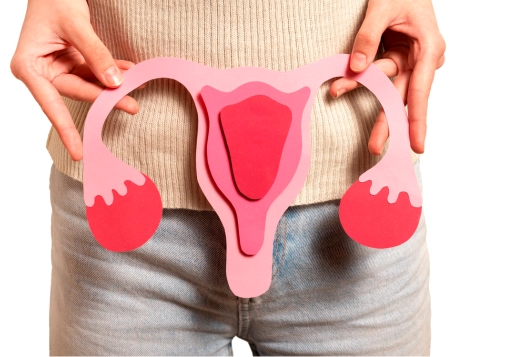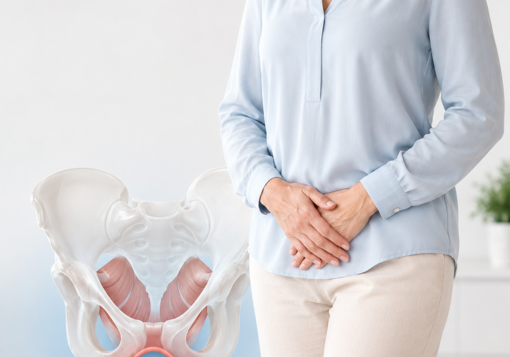
Pelvic organ prolapse happens when the pelvic floor muscles and supporting tissues become weak, causing one or more pelvic organs to move downward and create a bulge in the vagina. It may involve the uterus, bladder, rectum or upper part of the vagina.
Some people have no significant symptoms. Others may experience pelvic heaviness, vaginal pressure, urinary problems or a visible bulge. Pelvic organ prolapse is treatable. Depending on its severity and effect on daily life, treatment may range from lifestyle changes and pelvic floor therapy to surgery.
What Is Pelvic Organ Prolapse?
The pelvic floor is a group of muscles and connective tissues that supports the uterus, bladder, vagina and rectum. If this support system becomes weakened or stretched, one or more of these organs may move out of their normal position.
Types of Pelvic Organ Prolapse
Uterine prolapse: The uterus moves downward into the vagina.
Bladder prolapse: The bladder pushes into the front wall of the vagina.
Rectocele: The rectum pushes against the back wall of the vagina.
Vaginal vault prolapse: The upper part of the vagina moves downward, sometimes following a hysterectomy.
Enterocele: The small intestine bulges into the vaginal wall.
More than one type of prolapse may be present at the same time. A proper examination by a qualified Urogynecologist in Kerala can identify the organs involved and determine the severity of the condition.
What Are the Symptoms of Pelvic Organ Prolapse?
Some women with mild prolapse may not experience any symptoms. The condition may only be detected during a routine pelvic examination. When symptoms occur, they can vary depending on the organ involved and the degree of prolapse.
Common symptoms include:
A feeling of heaviness or pressure in the pelvis
A pulling or dragging sensation inside the vagina
Feeling or seeing a lump or bulge in or outside the vagina
Lower back discomfort
Urine leakage while coughing, sneezing or exercising
Frequent or urgent urination
Difficulty emptying the bladder completely
Recurrent urinary tract infections
Constipation or difficulty passing stool
Feeling that the bowel has not emptied completely
Discomfort during sexual intercourse
Symptoms that become worse after prolonged standing or physical activity
You should consult a medical professional if you notice a vaginal lump or experience other possible symptoms of prolapse. Pelvic organ prolapse is not normally life-threatening, but it can affect comfort, bladder and bowel function, sexual health and overall quality of life.
What Causes Pelvic Organ Prolapse?
Pelvic organ prolapse develops when the muscles and tissues supporting the pelvic organs become weak or damaged. Pregnancy and vaginal childbirth are among its most common causes.
Other possible causes and risk factors include the following:
Pregnancy and Childbirth
Pregnancy places additional pressure on the pelvic floor. Vaginal delivery, multiple deliveries, prolonged labour or delivering a larger baby may increase the strain placed on the supporting muscles and tissues.
Ageing and Menopause
Pelvic muscles and tissues can naturally lose strength with age. Hormonal changes following menopause may also affect the tissues supporting the pelvic organs.
Chronic Constipation
Repeated straining during bowel movements increases pressure within the abdomen and can gradually weaken the pelvic floor.
Persistent Coughing
Chronic coughing caused by smoking, asthma or other respiratory conditions can repeatedly place pressure on the pelvic organs.
Being Overweight
Excess body weight can increase pressure on the abdomen and pelvic floor, potentially contributing to pelvic floor weakness.
Repeated Heavy Lifting
Frequently lifting heavy objects, particularly without the correct technique or adequate support, may strain the pelvic floor.
Previous Pelvic Surgery
Some people may develop prolapse following pelvic procedures such as a hysterectomy because the support structure of the pelvis has changed.
Family History and Connective-Tissue Factors
A family history of pelvic organ prolapse or certain connective-tissue conditions may increase a person’s risk of developing the condition.
How Is Pelvic Organ Prolapse Diagnosed?
Diagnosis usually begins with a detailed discussion about the patient’s symptoms, childbirth history, bladder or bowel problems, previous surgeries and general health.
During a pelvic examination, the doctor assesses:
The type of prolapse
The organs involved
The degree of prolapse
Pelvic floor muscle strength
Whether urine leakage happens when coughing or straining
Depending on the symptoms, the doctor may also assess how completely the bladder empties or recommend additional tests. A urogynecologist specializes in pelvic floor and bladder disorders and may help patients experiencing both prolapse and urinary problems.
Does Every Prolapse Require Treatment?
No. Treatment may not be necessary when the prolapse is mild and does not cause troublesome symptoms. Regular observation and follow-up may be sufficient.
Treatment is generally considered when symptoms affect:
Daily life
Bladder or bowel function
Exercise and physical activity
Sexual health
Personal comfort and confidence
The treatment plan depends on the type and severity of the prolapse, the patient’s age, general health, future pregnancy plans and personal preferences.
Non-Surgical Treatment Options
Lifestyle Modifications
Reducing pressure on the pelvic floor may help manage symptoms and prevent further strain. A doctor may recommend:
Maintaining a healthy weight
Managing constipation
Eating sufficient fibre
Drinking adequate amounts of water
Treating a persistent cough
Avoiding smoking
Reducing heavy lifting
Pelvic Floor Muscle Exercises
Specialist-guided pelvic floor exercises can strengthen the supporting muscles and improve symptoms, particularly in mild or moderate cases.
Using the correct technique is important. Therefore, professional guidance may be more effective than attempting pelvic floor exercises without a proper assessment.
Vaginal Pessary
A pessary is a removable support device placed inside the vagina to help hold the pelvic organs in position. It may be considered by people who wish to avoid or delay surgery or for those who may not be suitable candidates for surgery.
Pessaries must be fitted correctly, kept clean and checked regularly by a healthcare professional.
Vaginal Oestrogen
For some postmenopausal patients, a doctor may consider locally applied vaginal oestrogen to address dryness or tissue discomfort. It is not suitable for everyone and should only be used following an individual medical assessment.
Surgery for Pelvic Organ Prolapse
Surgery may be considered when the prolapse is more severe, non-surgical treatments have not provided adequate relief, or symptoms significantly affect daily life.
The surgical approach will depend on:
The organ involved
The severity of the prolapse
Previous operations
Future pregnancy plans
General health
Whether the patient wishes to preserve the uterus
The surgeon’s clinical assessment
The procedure may be performed through the vagina or abdomen. In selected cases, minimally invasive or laparoscopic techniques may be appropriate.
Patients looking for Laparoscopic Surgery in Calicut should first undergo a complete medical evaluation. Laparoscopy uses small abdominal incisions, but it may not be suitable for every type of prolapse. The most appropriate surgical technique must be selected according to the individual diagnosis.
A specialist should clearly explain:
The expected benefits
Available alternatives
Potential risks and complications
Recovery requirements
The possibility of recurrence
How surgery may affect bladder, bowel or sexual function
When Should You See a Urogynecologist?
Consider consulting a urogynecologist if you experience:
A lump or bulge in or around the vagina
Persistent heaviness or pressure in the pelvis
Urine leakage
Difficulty emptying the bladder
Recurrent urinary infections
Constipation associated with vaginal pressure
Symptoms returning after previous prolapse treatment
Pelvic floor symptoms affecting daily life