Most women have heard of Kegels. Far fewer are doing them properly. A lot of us squeeze the buttocks or tighten the stomach and assume the job is done. Then, a few weeks later, the leaking hasn’t changed and the exercises get written off as useless.
They aren’t. They just need the right technique, and sometimes a bit of guidance first. Here’s how to find your pelvic floor, train it, and know when it’s time to get help from a specialist in Calicut.
What your pelvic floor actually does
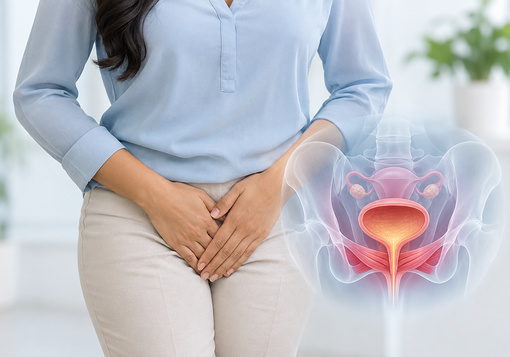
Think of a hammock of muscle running from the pubic bone at the front to the tailbone at the back. That’s your pelvic floor. It holds up the bladder, uterus and bowel, helps you stay in control of urine and stool, and plays a part in sexual comfort too.
Like any muscle, it can lose strength. Pregnancy and vaginal delivery are the usual suspects, but they’re not the only ones. Menopause thins the pelvic tissues as oestrogen falls. Years of constipation and straining take a toll, and so does a stubborn cough or regular heavy lifting. Being overweight, getting older, having had pelvic surgery, or having a mother with prolapse can all play a part.
If this sounds familiar, you’re in good company. An NHS physiotherapy leaflet on pelvic floor exercises for women reports that about one in three women live with urinary incontinence.
Signs it needs attention
A weak pelvic floor usually announces itself in a few ways:
You leak a little when you cough, sneeze, laugh or exercise. Our article on urinary incontinence causes and treatment in Calicut goes into this in detail.
You get a sudden, urgent need to pee that’s hard to hold.
Something feels heavy, dragging or like a bulge in the vagina. That can be pelvic organ prolapse.
You struggle to control gas or stool.
Some women have the opposite problem. A pelvic floor that’s too tight can cause pelvic pain, pain during sex, a slow urine stream or constipation. If that’s you, extra Kegels can make things worse, so get checked before you start.
How to do a Kegel, step by step
1. Find the muscles. Squeeze as though you’re trying not to pass gas. You should feel a small lift and tightening inside, while your stomach, thighs and buttocks stay relaxed. UCSF Health’s guide to pelvic muscle exercises describes the same trick. You can also try stopping your urine midstream, but only once, to confirm you’ve got the right muscles. Doing it regularly can stop your bladder from emptying fully.
2. Get comfortable. Lie down with your knees bent. Once it feels natural, move on to sitting, then standing.
3. Squeeze and lift. Picture lifting a marble up and inwards. Hold for about three seconds.
4. Let go completely. Relax for a count of three. The release matters just as much as the squeeze.
5. Repeat. Aim for at least three sets a day, working up to 10 to 15 squeezes per set, as laid out in Mayo Clinic’s step-by-step Kegel guide for women.
6. Make it harder. When three seconds feels easy, stretch each hold towards ten. Add a few quick squeeze-and-release pulses too. They train your muscles to react when you cough or sneeze.
Don’t be discouraged if you can only hold for a second or two to begin with. Some women manage eight to ten seconds from day one, and others don’t. Find your own starting point and build from there.
Mistakes that waste your effort
Squeezing your buttocks, thighs or abdomen instead of the pelvic floor
Holding your breath (just breathe normally)
Bearing down instead of lifting up
Skipping the relaxation between squeezes
Stopping your urine stream every time you use the toilet
Quitting too early. Most women need a few weeks to a few months before they see a difference
Not sure you’re squeezing the right muscles? Ask a doctor or pelvic floor physiotherapist to check. It takes a few minutes and saves months of guesswork.
Small habits that help
Exercises work better with a bit of backup from daily life.
Try “the knack”: tighten your pelvic floor just before you cough, sneeze or lift something heavy. Keep your stools soft with enough fibre and water so you’re not straining. Cut back on caffeine and fizzy drinks if you’re dealing with urgency. Keeping to a healthy weight takes pressure off the pelvic floor too.
And since it’s easy to forget, attach your exercises to something you already do, like brushing your teeth or an alarm on your phone.
If you’ve just had a baby, gentle pelvic floor work can often start early, but check with your doctor first. Our guide to postpartum care and recovery after childbirth covers what to expect.
When exercises aren’t enough
Kegels help a lot of women. They don’t fix everything. They’re less effective for heavy leaking when you sneeze, cough or laugh, and for leaking caused by an over-full bladder.
It’s time to see a urogynaecologist if:
You’ve practised regularly for two to three months and nothing has changed
Leaking is getting in the way of work, exercise or sleep
You feel a bulge or a dragging sensation in the vagina
You have pelvic pain, or sex is painful
You keep getting urinary infections or struggle to empty your bladder
You notice blood in your urine
Treatment depends on the cause. It might be supervised pelvic floor physiotherapy, bladder training, medication, vaginal oestrogen after menopause, a vaginal pessary for prolapse, or minimally invasive surgery. If you’re curious how this specialty works, read our complete guide to urogynecology, and have a look at the warning signs of common gynaecological conditions no woman should ignore.
Quick answers
How long until Kegels work? Usually a few weeks to a few months of regular daily practice. Keep going afterwards, because the benefit fades if you stop.
Can men do them? Yes. The same muscles help men with bladder control, and doctors often recommend the exercises after prostate surgery.
Are they safe in pregnancy? In most healthy pregnancies, yes. They can help prepare you for delivery and recovery. If you have any complications, ask your doctor first.
Will Kegels cure prolapse? They can ease mild prolapse and may stop it getting worse. They won’t reverse a moderate or advanced one.
Don’t put up with it
Leaking, heaviness and pelvic pain are common, but they aren’t something you simply have to live with. Most of it can be treated, and the earlier you ask, the easier it usually is.
Book a consultation with Dr. Mili Moni in Calicut for an assessment and a plan that fits you.