Cervical cancer is one of the very few cancers we can largely prevent, yet it still takes close to 80,000 women’s lives in India every year. There is a vaccine for girls now. There is a simple test for women from the age of 30. What has been missing is awareness, so I’ve put it all in one place: what the vaccine does, which test to choose, and what to do if something doesn’t feel right.
If you’re looking for cervical cancer screening in Calicut, you can book an appointment with us.
The short version
-
Nearly all cervical cancers start with HPV, a common virus that stays in the body for years in some women instead of clearing.
-
Girls aged 14 can get a free single-dose HPV vaccine (Gardasil-4) under India’s national programme. A parent’s consent is required.
-
Women between 30 and 65 are offered screening once every five years. A Pap smear or HPV test at a clinic is another route.
-
Had the vaccine? You still need screening. It doesn’t cover every risky HPV type.
-
Found early, this cancer can be cured. If you notice bleeding that isn’t normal for you, don’t wait for a screening date.
Some numbers, because they matter. India has over 1.2 lakh new cases and close to 80,000 deaths a year, around a quarter of the world’s cervical cancer deaths. A lot of these women were diagnosed late. That’s the gap vaccination and screening are meant to close.
What causes cervical cancer?
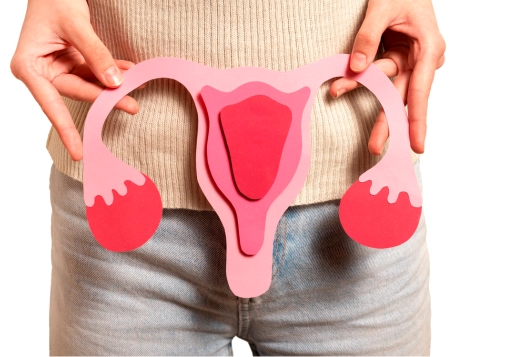
The cervix is the lower end of the uterus, the part that opens into the vagina. Cancer starts there when cells go wrong, and nobody notices.
Almost always, the cause is HPV, a very common virus passed on through sexual contact. Most people catch it at some point, and their body clears it within a couple of years with no symptoms and no idea it was ever there. Trouble begins in the smaller number of women whose bodies don’t clear it.
The good news is how slowly it moves. The WHO says it usually takes 15 to 20 years for abnormal cells to become cancer, and 5 to 10 years if immunity is weak. That is a long window. A test during those years can find the change, and we can deal with it long before it turns into cancer.
Certain things raise the chance that an infection will keep going:
-
Weak immunity, for example, untreated HIV
-
Smoking
-
Other sexually transmitted infections
-
Many full-term pregnancies, or a first pregnancy at a very young age
-
Using hormonal contraceptives for a long time
None of these means you will get cancer. They only mean you shouldn’t skip your screening.
The HPV vaccine in India: who can get it
India’s national HPV vaccination programme began on 28 February 2026. Girls who are 14 can get a single dose of Gardasil-4 free of cost, about 1.15 crore girls in all, and girls who turn 15 within 90 days of the launch were included too. It’s given at government health facilities, including Ayushman Arogya Mandirs. Nobody is forced, because a parent’s consent is needed. Girls who have already had an HPV vaccine of any brand are not given it again, and girls who are pregnant are not included. Girls who are moderately or severely unwell, or who have a known yeast allergy, should check with the doctor first.
Gardasil-4 covers HPV types 16 and 18, which are behind more than 80 per cent of cervical cancers in India. It also covers types 6 and 11, which cause genital warts. Studies show 93 to 100 per cent protection against cervical cancer caused by those types.
Why vaccinate girls so young? Because the vaccine works best before a girl has been exposed to HPV at all. That is why the WHO’s priority group is 9 to 14 years, with one or two doses depending on the country’s schedule.
If your daughter isn’t 14, speak to her doctor. Vaccination outside the government drive is possible, and older girls and some women can benefit too. It depends on age and health history. Ask your nearest government health facility whether the free drive is still open.
Common worries about the vaccine
-
Is there a live virus in it? No. It can’t cause an HPV infection.
-
Will it affect fertility? No evidence says so. This rumour keeps circulating on social media, but it has been looked into and rejected.
-
Does it encourage sex at an early age? No. It prevents cancer, the same way the hepatitis B vaccine prevents liver disease.
-
Any side effects? Usually a sore arm, sometimes a mild fever for a day or two. Girls should eat before going, because the programme advises against vaccination on an empty stomach.
Pap smear, HPV test and VIA: which one, and how often?
Screening is for women who feel completely fine. The idea is to catch changes early, while they’re still easy to treat. In India, you’ll mostly hear about three tests.
VIA (visual inspection with acetic acid)
-
What it looks for: Visible abnormal patches on the cervix
-
How it is done: A dilute acetic acid solution is applied, and the cervix is examined; results are obtained in the same visit
Pap smear (cytology)
-
What it looks for: Abnormal cells under a microscope
-
How it is done: Cells are gently collected from the cervix and sent to a laboratory
HPV DNA test
-
What it looks for: The high-risk HPV virus itself
-
How it is done: A cervical sample; the WHO says self-collected samples are as reliable
How often depends on the test. India’s national programme uses VIA once every five years for women aged 30 to 65. Many guidelines suggest a Pap smear every three years, and the WHO suggests an HPV test every 5 to 10 years from age 30. Some clinics do a Pap smear and an HPV test together, called co-testing, and if both are normal, it’s usually repeated after five years.
Some women should start earlier or test more often. The WHO says women living with HIV should begin at 25 and repeat every 3 to 5 years. If your immunity is low for any other reason, ask your doctor to set a schedule for you. After 65, screening can usually stop if your recent results were normal, but please confirm that with your doctor first.
Honestly, the biggest problem is that women don’t turn up. By July 2025, about 10 crore women aged 30 and above had been screened under the national programme, which is around 40 per cent of those eligible. That still leaves more than half untested.
The easiest way to remember is to ask for it during your routine gynaecology check-up. If a breast check is also due, read our guide to breast cancer screening and mammograms to see when to begin.
What happens during a Pap smear, and what if the result is abnormal
It’s quick. You lie down, the doctor puts a speculum into the vagina so she can see the cervix, and a soft little brush takes a sample of cells. You’ll feel some pressure, maybe mild cramping. It shouldn’t be painful, and if it is, tell her to stop or go slower.
Some small things make the result more reliable:
-
Don’t go during your period.
-
No sex, vaginal creams, medicines or douching for about 48 hours before.
-
Tell the doctor if you’re pregnant, have recently delivered, or have been bleeding unusually.
If your result is abnormal
Please don’t panic. Abnormal does not mean cancer. Most changes are minor, and many go away by themselves. The usual next step is to look at the cervix more closely with colposcopy or visual inspection, and sometimes to take a very small piece for a biopsy.
When real precancerous changes are found, treatment is simple and works very well. The WHO lists these options:
-
Thermal ablation: a heated probe destroys the abnormal cells
-
Cryotherapy: a freezing probe does the same job
-
LEEP: a thin electric loop removes the abnormal tissue
-
Cone biopsy: a small operation that removes a cone-shaped piece of the cervix
Treated at this stage, it never gets the chance to become cancer.
Symptoms you should never ignore
Precancer usually gives no symptoms at all, which is why we screen. Once a cancer has actually developed, though, the body starts to complain. Please see a doctor, without waiting for any screening date, if you have:
-
Bleeding between periods, after sex, or after menopause
-
More vaginal discharge than usual, or discharge that smells bad
-
Pain in the pelvis, back or legs that doesn’t go away
-
Weight loss you can’t explain, constant tiredness, or no appetite
-
Swelling in the legs
Most of the time,e something else is behind these, and it won’t be cancer. But only an examination can tell you that, and early cervical cancer can be cured. Waiting is the only thing that makes it worse.
Pain and bleeding can also come from ovarian cysts, endometriosis or other gynaecological problems. Our post on the warning signs of common gynaecological conditions will help you decide when to get help.
Cervical cancer screening in Calicut
If you’re looking for a gynaecologist in Calicut for a Pap smear, HPV test or cervical screening, you can see me at Malabar Hospitals, Eranhipalam. We’ll go through your age, history and vaccination status, choose the right test, and explain the result in plain words. If anything abnormal turns up, we plan the next step together, whether that’s a closer look or treatment.
Your questions, answered.
I’ve had the vaccine. Do I still need a Pap smear?
Yes, please. The vaccine blocks the most dangerous HPV types, not all of them, and it can’t clear an infection you already have.
At what age should I get tested?
In India’s programme, it’s 30 to 65, once every five years. Women with HIV or low immunity may need to start sooner, so ask your doctor.
Is a Pap smear painful?
Not really. Most women find it uncomfortable more than painful, and it’s over in a few minutes. Breathe slowly and let your muscles relax. It helps.
Can adult women take the HPV vaccine?
The free programme is for 14-year-olds, and the vaccine works best before any exposure to HPV. Some older girls and women may still benefit from private vaccination. Ask your gynaecologist whether it makes sense for you.
I feel perfectly healthy. Why test?
Precancer doesn’t cause symptoms. By the time you feel pain or notice bleeding, the problem is usually further along and harder to treat.
What are the early symptoms of cervical cancer?
Often there are none, which is why screening matters. When symptoms do appear, the most common are bleeding between periods, after sex or after menopause, and unusual vaginal discharge. Pelvic pain can follow. Don’t wait for a screening date if you notice any of these.
Is cervical cancer curable?
Yes, when it’s found early. Precancerous changes can be treated in a short procedure and never become cancer. Early-stage cancer also has a high cure rate, which is why regular screening is so important.
Where can I get a Pap smear in Calicut?
You can get a Pap smear, HPV test and cervical screening at Malabar Hospitals, Eranhipalam, Calicut. Call +91 8139088801 to book.