You went in for a routine scan. Maybe it was for period pain, maybe just a check-up. Then the report said “ovarian cyst,” and your mind jumped straight to one thing: what about having a baby?
If that’s where you are right now, take a breath. Questions about ovarian cysts and fertility are some of the most common ones I hear, and most women leave my clinic feeling a lot lighter than when they walked in.
Most ovarian cysts don’t affect fertility. The most common kind, a functional cyst, is really just a by-product of your normal cycle. It usually goes away on its own within a few months, without you doing anything at all. Things get more complicated with endometriomas (cysts caused by endometriosis), with PCOS, or when a big cyst starts pressing on the healthy part of the ovary. In other words, what matters isn’t whether you have a cyst. It’s which one.
What is an ovarian cyst?
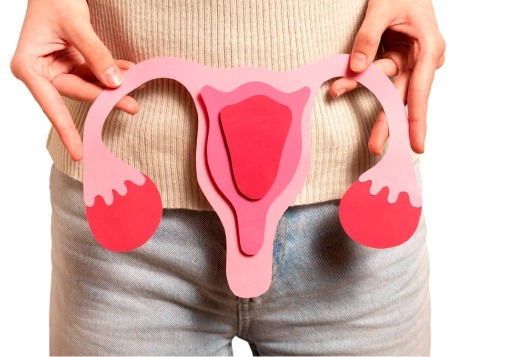
Think of it as a small pocket of fluid sitting on or inside the ovary. Your ovaries are busy little organs. Every month they grow an egg, release it, and make the hormones that keep your cycle going. So of course a cyst there feels worrying.
Here’s something that surprises a lot of women: cysts are really common. Plenty of women have one at some point and never find out, because it causes no symptoms at all. When a cyst does make itself felt, it’s usually a dull ache or heaviness on one side, some bloating, pain with periods or sex, or periods that suddenly turn irregular or heavy.
Types of ovarian cysts and how they affect fertility
Whenever someone shows me a scan report, the first thing I want to know is what kind of cyst it is. That one detail changes the whole conversation.
Follicular cyst (functional): An egg follicle that never released its egg and just kept growing. It rarely affects fertility. We simply repeat the scan after one to three cycles, and it’s usually gone.
Corpus luteum cyst (functional): This one forms after you ovulate, and it’s very common in early pregnancy. It doesn’t usually affect fertility, and most shrink away on their own.
Endometrioma (“chocolate cyst”): Caused by endometriosis tissue growing on the ovary. This is the one that can lower your egg reserve and make it harder to conceive, so the plan is always made around you, and surgery only comes up after we’ve thought carefully about your eggs.
Dermoid cyst: A harmless cyst that can contain things like hair or fat. Strange, but true. It rarely affects fertility directly, though we often remove it if it grows, because it can twist the ovary.
Cystadenoma: A harmless cyst from the ovary’s surface that can get quite large. A very big one can damage the healthy tissue around it, so it’s usually removed, saving as much of the ovary as possible.
Polycystic ovaries (PCOS): Lots of small follicles, not true cysts at all. PCOS can stop you from ovulating regularly, and it’s treated with lifestyle changes and ovulation medicines. Surgery is rarely needed.
Can an ovarian cyst cause infertility?
Honestly? Rarely by itself. When a cyst is linked to trouble getting pregnant, the real culprit is usually whatever caused the cyst, or damage the cyst has done to the healthy ovary around it.
Endometriosis is the one I take most seriously. It can leave inflammation and scar tissue around the ovaries and tubes, and that gets in the way of the whole process: the egg being released, caught by the tube and fertilised. An endometrioma can also eat into your ovarian reserve, which is just a medical way of saying how many eggs you have left.
PCOS is a different story altogether. Those “cysts” on the scan aren’t really cysts. They’re small follicles that started to grow and then stopped. The real issue is that ovulation becomes irregular, or stops. And this is the part I love telling patients: with some weight management and the right ovulation medicines, most women with PCOS start ovulating again.
Then there are the big ones. A large cyst can stretch the healthy ovarian tissue thin. And surgery, if it’s done carelessly, can take good tissue out along with the cyst. That’s why, if you want a baby, who operates and how they do it really matters.
Can you get pregnant naturally with an ovarian cyst?
Yes. Lots of women do, especially when the cyst is functional. Even with an endometrioma, a natural pregnancy is often still possible. It comes down to your age, your egg reserve and the health of your tubes.
My usual advice: if you’ve been trying for 12 months without success, or 6 months if you’re 35 or older, come and see a specialist. And if you already have painful periods, irregular cycles or a cyst on your report, there’s no need to wait that long.
How we check whether a cyst is affecting your fertility
The first visit is mostly a conversation. I want to hear about your cycles, any pain, previous pregnancies and how long you’ve been trying. You’d be surprised how much that tells me.
After that comes a transvaginal ultrasound. Yes, it’s the internal one, and no, it isn’t as bad as people fear. It shows the cyst clearly and lets me count the small follicles in each ovary. I’ll often add an AMH blood test, which gives a rough idea of your egg reserve. That number becomes very important if we’re talking about surgery.
If PCOS or a thyroid problem might be part of the picture, we’ll check your hormones. And if you’ve been trying for a while, we’ll look at your tubes and ask for your partner’s semen test too. Sometimes the cyst gets blamed for a problem that actually has a completely different cause.
Do ovarian cysts always need surgery?
No, and I want to say that clearly, because it’s one of the biggest fears I hear. Most cysts just need a repeat scan. I’ll bring up surgery when a cyst is large or growing, causes pain that won’t settle, hasn’t gone away after two or three cycles, or looks unusual on the scan. Occasionally one also has to come out because it’s in the way during fertility treatment.
Endometriomas are where I slow down. Removing one can bring real relief from pain, but it can also cost you some eggs. So we sit down and weigh it up together: your age, your AMH, how much it hurts and how soon you want a baby. For some women, skipping surgery and going straight to fertility treatment is the better path.
Fertility-sparing laparoscopic surgery
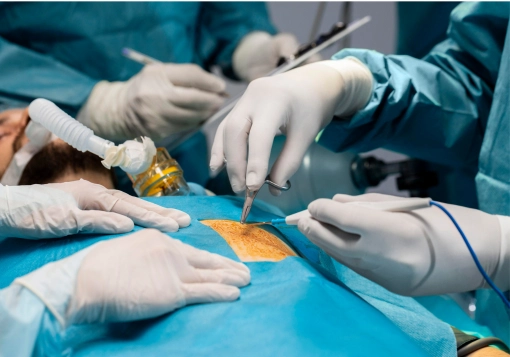
When surgery is the right call, I usually go with laparoscopic ovarian cystectomy, also known as keyhole surgery. I work through three or four tiny cuts, take out only the cyst, and leave as much healthy ovary behind as I can.
Most women are pleasantly surprised by the recovery. There’s less pain than with open surgery, the scars are small, and you’re usually home within a day or two. At your follow-up, we’ll talk about when it’s a good time to start trying again.
What if a cyst is found during pregnancy?
This one frightens a lot of newly pregnant women, and usually there’s nothing to worry about. A cyst in early pregnancy is most often a corpus luteum cyst, and it’s actually on your side. It makes hormones that support the pregnancy until the placenta is ready to take over, and it tends to shrink by the second trimester. We’ll simply keep an eye on it during your routine scans.
When should you see a gynecologist?
Book an appointment if any of these sound like you:
You’ve been trying for a baby for 12 months (or 6 months if you’re 35 or older)
Pelvic pain keeps coming back, or your periods are very painful
Your periods are irregular or have stopped
Sex is painful
A cyst is growing, or hasn’t gone away on repeat scans
One more thing, and it’s important. If you ever get sudden, severe pain low in your tummy, especially with vomiting, fever, dizziness or fainting, don’t wait for an appointment. Go to an emergency department. It can mean a cyst has burst or twisted the ovary (ovarian torsion), and quick treatment can save the ovary.
Myths I hear all the time
“A cyst means I can’t get pregnant.” Not true. Most cysts are functional and don’t affect fertility at all.
“Every cyst needs an operation.” Most just need a repeat scan. Surgery is kept for specific situations.
“PCOS means my ovaries are full of cysts.” They’re small follicles, not true cysts, and ovulation can usually be brought back.
“Taking the cyst out will definitely help me conceive.” Not always. With endometriomas, surgery can lower your egg reserve, so it needs careful planning.
“A cyst is probably cancer.” In women of childbearing age, the vast majority of ovarian cysts are harmless.
Your questions, answered.
Can a small ovarian cyst stop me from getting pregnant?
Usually not. Small functional cysts are part of your normal cycle and often disappear within one to three months. They don’t block ovulation in the long run. That said, if you’ve been trying for a year (or six months if you’re over 35), it’s still worth getting a proper fertility check.
How long should I wait to try for a baby after laparoscopic cyst removal?
Many women can start trying after their first normal period after surgery. The right timing depends on the type of cyst and how the operation went, so your surgeon will guide you at your follow-up.
Does an endometrioma mean I’ll need IVF?
Not necessarily. Plenty of women with endometriomas get pregnant naturally or with simpler treatment. IVF might be suggested if your egg reserve is low, your tubes are affected, or you’ve been trying for a long time. Your age and AMH level help us decide.
Can an ovarian cyst come back after surgery?
Sometimes, yes. Functional cysts can form again in later cycles, and endometriomas can return if the endometriosis is still active. Hormonal treatment after surgery and regular follow-up scans help keep that risk low.
Is it safe to have an ovarian cyst during pregnancy?
In most cases, yes. The usual cyst in early pregnancy is a corpus luteum cyst, which supports the pregnancy and tends to shrink by the second trimester. Larger or unusual cysts just get watched a little more closely.