Quick Answer
PCOS (Polycystic Ovarian Syndrome) is a hormonal disorder that occurs in 1 in 10 women of reproductive age. Common symptoms include:
- Irregular periods
- Excess hair growth
- Acne
- Weight gain
- Infertility
Early diagnosis—often with the help of a gynecologist or urogynecologist—can dramatically improve long-term health outcomes.
Millions of women with PCOS are unaware they have it. Symptoms are often blamed on stress, diet, or “just the way your body works.” But PCOS is a real hormonal condition with real consequences—and the earlier you catch it, the better.
What Is PCOS?
Polycystic Ovary Syndrome (PCOS) is a hormonal imbalance in which the ovaries produce too many androgens (male hormones). This interrupts the normal cycle of ovulation and can cause a range of physical and metabolic symptoms.
The World Health Organization (WHO) states that PCOS affects about 8–13% of women of reproductive age worldwide, and up to 70% of cases remain undiagnosed.
What Are the Typical PCOS Symptoms?
1. Irregular or No Periods
An irregular menstrual cycle is one of the earliest and most telling signs of PCOS.
Common signs include:
- Fewer than eight periods a year
- Skipping periods for several months
- Irregular ovulation due to hormonal imbalance
2. Excess Hair Growth (Hirsutism)
High androgen levels can cause unwanted hair growth on the:
- Face
- Chest
- Back
- Abdomen
According to the American College of Obstetricians and Gynecologists (ACOG), up to 70% of women with PCOS experience hirsutism.
3. Acne and Oily Skin
Hormonal acne related to PCOS commonly appears on the:
- Jawline
- Chin
- Neck
Regular skincare treatments often have little effect unless the underlying hormonal imbalance is treated.
4. Unexplained Weight Gain
Many women with PCOS struggle to maintain a healthy weight, especially around the abdomen.
This is often linked to insulin resistance, which occurs in approximately 65–70% of women with PCOS.
5. Hair Loss or Thinning Hair
While excess body hair increases, scalp hair may become thinner due to elevated androgen levels.
Women may notice:
- Increased hair shedding
- Thinning hair
- Female-pattern hair loss
6. Difficulty Getting Pregnant
PCOS is one of the leading causes of infertility because irregular ovulation reduces the chances of conception.
With proper treatment and medical guidance, many women with PCOS can successfully conceive and have healthy pregnancies.
7. Darkened Skin Areas
Acanthosis nigricans causes dark, velvety patches of skin, commonly found on the:
- Neck
- Underarms
- Groin
This is often associated with insulin resistance.
When Should You See a Specialist?
If you notice two or more of the symptoms above, consult a gynecologist as soon as possible.
Women experiencing additional symptoms such as pelvic pain or bladder issues may benefit from consulting a urogynecologist in Kerala, as hormonal imbalances can sometimes affect pelvic floor health.
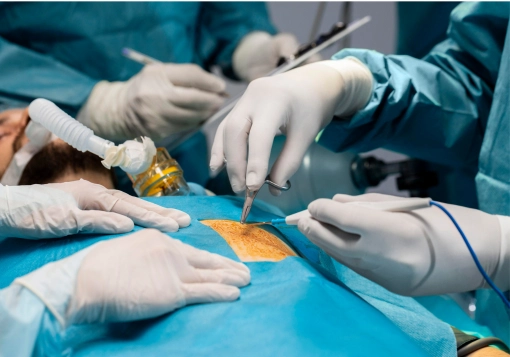
If minimally invasive treatment is required, gynaecology laparoscopic surgery may be recommended to:
- Evaluate ovarian cysts
- Confirm a PCOS diagnosis
- Treat related conditions such as endometriosis
Laparoscopic procedures generally offer:
- Smaller incisions
- Faster recovery
- Less postoperative pain
- Lower surgical risk compared to open surgery
How Is PCOS Diagnosed?
Diagnosis is usually based on the Rotterdam Criteria.
A diagnosis is confirmed if at least two of the following are present:
- Irregular or absent ovulation
- Elevated androgen levels
- Polycystic ovaries seen on ultrasound
Additional investigations may include:
- Blood hormone tests
- Blood sugar testing
- Insulin resistance assessment
- Thyroid function tests
Can You Manage PCOS Successfully?
Yes. Although PCOS has no permanent cure, it can be effectively managed.
Lifestyle Changes
- Follow a balanced, low-glycemic diet.
- Exercise regularly.
- Maintain a healthy body weight.
Medications
- Birth control pills to regulate menstrual cycles
- Metformin for insulin resistance
- Medicines to manage acne or excess hair growth
Fertility Treatments
Women planning pregnancy may benefit from:
- Ovulation-inducing medications
- Assisted reproductive technologies (ART)
Surgical Options
For selected patients, laparoscopic ovarian drilling may help restore ovulation when other treatments have not been successful.
PCOS Frequently Asked Questions
Does PCOS go away on its own?
No. PCOS does not disappear on its own, but symptoms can improve significantly with lifestyle changes and appropriate medical treatment.
Do all women with PCOS have ovarian cysts?
No. Despite the name, not every woman with PCOS has ovarian cysts. Diagnosis depends on hormonal, menstrual, and ultrasound findings.
Can PCOS cause other health problems?
Yes. Untreated PCOS may increase the risk of:
- Type 2 diabetes
- Cardiovascular disease
- Endometrial cancer
- Anxiety
- Depression
Who should I consult first for PCOS symptoms?
Start with a gynecologist. If you also experience pelvic floor symptoms such as urinary leakage or pelvic discomfort, a urogynecologist in Kerala can provide specialized evaluation and treatment.
Start Your Search for Answers
PCOS silently affects millions of women. The symptoms are real, the condition is treatable, and early diagnosis leads to better long-term outcomes.
If you notice:
- Irregular periods
- Persistent acne
- Excess hair growth
- Unexplained weight gain
- Hair thinning
- Difficulty getting pregnant
don’t ignore these signs. Seek timely medical advice from a qualified specialist.
Early diagnosis and appropriate treatment can make a significant difference to your long-term reproductive and overall health.